
Table of Contents
Most homeowners have heard that gutters should be cleaned twice a year. That guideline holds up for many homes, but it leaves out the details that decide whether two cleanings are enough for yours. A house under a canopy of mature oaks in Carmel and a newer home in a Westfield subdivision may sit a short drive apart and still need very different gutter care.
So how often should you clean your gutters in Indiana? The answer depends on the trees around your property, the timing of each season, and how quickly debris builds up in your gutter system between visits. Drawing on work across the north side of Indianapolis since 2006, the team at Northside Window & Gutter Cleaning explains how Central Indiana weather and tree coverage shape a sensible cleaning schedule.
The Twice-a-Year Baseline
Most Indiana homes do well with gutter cleaning twice a year. The first visit comes in spring, ahead of the heavier storms, and the second comes in late fall, after most of the foliage is down and before the hard freeze. That rhythm clears the two largest debris loads of the year and prepares the gutter system for heavy spring rainfall and winter snow and ice.
For many properties, though, twice a year is a minimum, not a rule. Knowing where your property falls is the key to a gutter cleaning schedule that works.
How Indiana Seasons Affect Gutter
Central Indiana weather puts a gutter system through a full cycle each year. Spring brings thunderstorms and long stretches of heavy rain. Summer storms and high winds knock loose twigs, leaves, and small branches. Fall delivers the largest load of organic debris, and winter follows with repeated swings above and below freezing.
Those freeze-thaw cycles are a big reason timing matters. When wet leaves stay in a gutter into winter, the moisture in that debris freezes, thaws, and freezes again. Ice can build along the roofline, and meltwater has nowhere to drain. Clean gutters heading into winter give snowmelt a clear path to the downspouts.
Planning Spring Gutter Cleaning
Spring cleaning prepares your gutters for storm season. Over winter, gutters collect twigs, leftover leaves, and shingle granules, and early spring adds pollen, tree blossoms, and seed pods. Much of this spring debris breaks down into a fine sludge that settles in the bottom of the gutter channels. It is easy to miss from the ground, yet it slows water flow and can pack a downspout elbow solid.
For most homes, a spring visit ahead of the heavier storms makes the most sense. National Weather Service climate normals for Indianapolis list April, May, and June as three of the wettest months of the year, averaging about 14 inches of rain combined, so clear gutters and downspouts matter most right as that stretch begins. Properties with maple trees near the roof are the exception you should plan for. Maple seeds tend to come down in large numbers in spring, and a cleaning scheduled just before that drop may need a quick follow-up afterward.
Planning Fall Gutter Cleaning
Fall gutter cleaning is the visit most homeowners remember, and it is also the one most often scheduled too early. A cleaning in mid-October may look great for a few weeks. If the oaks in the yard do not drop their leaves until November, though, the gutters will be full again before winter arrives.
The better approach is to wait until most of the leaf drop is over while still finishing ahead of the hard freeze. For many Central Indiana homes, that means late fall rather than mid-October, once the nearby trees are bare or close to it. Pin oaks deserve a note here. They often hold onto their brown leaves well into winter, so homes surrounded by them may need a later pass or extra attention during the spring cleaning.
This pre-winter cleaning removes the heaviest seasonal debris of the year. It also keeps drainage open through the coldest months, when trapped water has the most chance to freeze.
Homes That Need More Frequent Cleaning
Tree coverage is the biggest factor in how often you need to clean your gutters. Homes on wooded lots, homes that back up to tree-lined common areas, and properties in older neighborhoods with a mature canopy tend to fill their gutters much faster than average. For these homes, three or four cleanings a year is more realistic. A common pattern starts with a spring visit and adds a late summer check once storm season winds down. The fall work is then split into an early visit as leaves begin to drop and a late visit to finish the season.
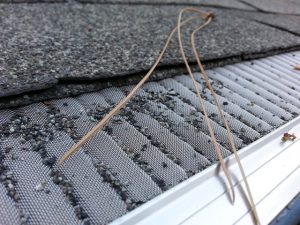
Pine needles call for a closer look. Pines shed needles through much of the year, and the needles knit together into dense mats that trap water and block downspouts. Homes with pines close to the roofline often need more than the standard two visits, and the buildup found at each cleaning is the best guide to how many.
Roof design can also shorten the interval. Roof valleys funnel runoff and debris to one spot, so the gutter beneath a valley often clogs before the rest of the system. After a summer storm leaves branches and twigs on the roof, a quick gutter inspection can catch buildup before the next heavy rain rather than leaving it until the fall visit.
When Your Cleaning Schedule May Vary
Homes with limited tree coverage tend to collect debris more slowly than wooded properties. A newer home in Westfield or Noblesville with young trees and nothing overhanging the roof may find its gutters fairly light at each visit. Spring and fall checks are still the right baseline. Wind carries leaves across a neighborhood, birds and insects find their way into gutter corners, and each check shows whether both seasons call for a full cleaning.
Gutter guards can also lengthen the time between cleanings, although they don’t eliminate the need for maintenance. Whether guards can replace routine cleaning is a separate question worth its own look.
Finding the Right Schedule
A few questions will help you settle on a property-specific schedule. How many trees stand over or near the roof, and what kinds are they? Does the home catch windblown debris from neighboring lots? And how full were the gutters at the last cleaning?
That last question offers the clearest guidance. Gutters packed full at a routine visit point to an interval that is too long for the property, while a light layer of debris shows the schedule is working. Over a year or two, the pattern becomes easy to read. If you are unsure whether your gutters need attention right now, our guide to The Most Common Signs Your Gutters Need Immediate Cleaning explains what to look for.
The goal is not to clean gutters as often as possible. It is to match visits to the debris your property actually produces, so water keeps moving through the system, and you don’t pay for service your home doesn’t need.
Gutter Care Built Around Your Home
Northside Window & Gutter Cleaning has helped homeowners across Indianapolis, Carmel, Fishers, Geist, McCordsville, Noblesville, Westfield, and Zionsville keep their gutter systems working for nearly two decades. We clean every gutter by hand, bagging debris from the troughs and clearing downspouts through the upper elbows so rainwater drains away from your home. As a bonded and insured company, Northside backs each gutter cleaning with a First Rain Guarantee and a 100% satisfaction guarantee.
Whether your home follows a standard spring-and-fall schedule or needs more frequent cleaning, our team can help you set a schedule that fits your property. Contact us today for a free quote on professional gutter cleaning in Indianapolis and see why so many local homeowners keep coming back year after year.
Frequently Asked Questions
How often should gutters be cleaned in Indiana?
Most Indiana homes need gutter cleaning twice a year, in spring before storm season and in late fall after most leaves have dropped. Homes with mature trees nearby or on wooded lots often need three to four cleanings a year.
What is the best time of year to clean gutters?
In Central Indiana, the two key windows are spring, ahead of the heavier storms, and late fall, after most of the leaf drop and before the hard freeze. Homes with heavy tree coverage may need additional visits between them.
Is cleaning gutters once a year enough?
Homes with limited tree coverage may collect debris more slowly, but spring and fall checks are still a good baseline. The buildup you find during those checks shows how often you actually need a full cleaning.
Should gutters be cleaned before winter?
Yes. Removing leaves before the hard freeze gives melting snow a clear path to the downspouts and lowers the chance of ice buildup along the roofline during freeze-thaw cycles.
How often should you get your gutters cleaned if you have pine trees?
Pine needles fall through much of the year and mat together quickly. Homes with pines close to the roofline often need more than two cleanings a year, depending on how quickly needles build up between visits.
Should gutters be cleaned before or after the leaves fall?
After most of the leaves are down is usually the better choice, since an early cleaning can fill again within weeks. Homes with heavy tree coverage may need one visit during leaf drop and a final visit once the trees are bare, ahead of the hard freeze.
Do gutters need a spring cleaning if they were cleaned in the fall?
In most cases, yes. Winter storms, late-falling leaves, seeds, and blossoms refill gutters between fall and spring, and a spring visit clears that buildup before the wettest months of the year.